
Silicone in the railway industry: a key material for equipment performance
In the railway industry, equipment is subject to particularly demanding conditions: permanent vibrations, temperature variations, mechanical stresses, humidity or even UV exposure. To meet these constraints, manufacturers are looking for materials that can ensure durability, watertightness and reliability over the long term.
Today, silicone is becoming a reference material for numerous railway applications. Thanks to its technical properties, it makes it possible to design components capable of withstanding the most demanding environments while guaranteeing constant performance.
Why is silicone used in railways?

Silicone has several characteristics that make it particularly suitable for equipment. railways.
First of all, it has a wide range of thermal resistance, generally between —60°C and +200°C, which allows it to be used in environments subject to significant temperature differences. Silicone is also very resistant to UV, ozone and aging, guaranteeing excellent durability over time.
Its flexibility and dimensional stability also make it possible to design efficient sealing solutions while absorbing some of the vibrations generated by railway equipment.
Examples of applications of silicone in railways
In trains and rail infrastructures, silicone is used for numerous technical components, which are often discreet but essential for the proper functioning of systems.
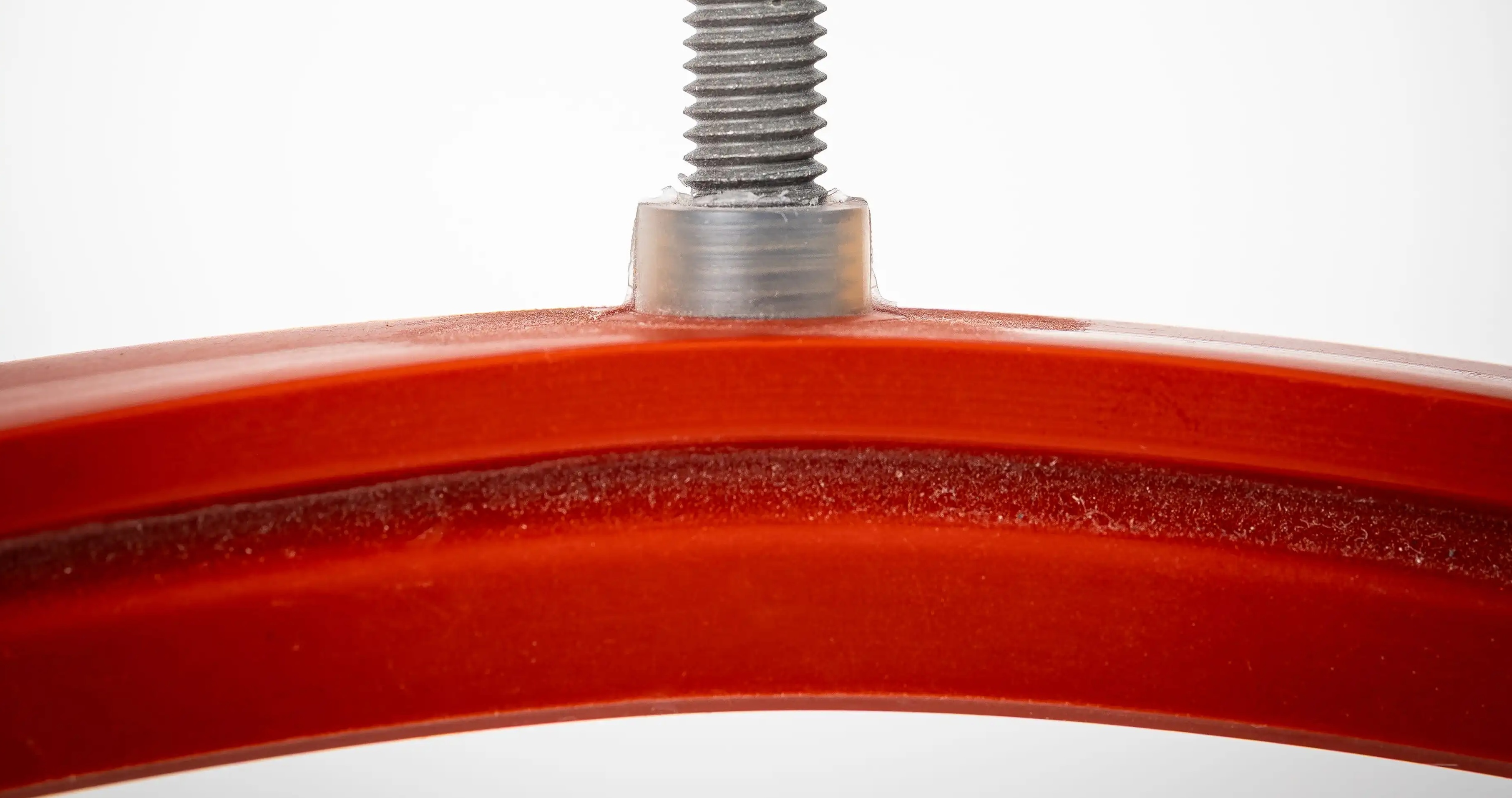
Seals for railway equipment
Silicone gaskets are used to ensure the tightness of numerous pieces of equipment:
• electrical boxes
• lighting systems
• embedded sensors
• ventilation systems
• technical cabinets
These joints must guarantee effective protection against humidity, dust and splashes of water.
Silicone profiles for doors and windows
The profiles extruded silicone are used for:
• the tightness of train doors
• the interfaces between glazing and structures
• the protection of cables and technical passages
They ensure watertightness, damping and insulation at the same time.
Ducts and protections for electrical systems
Modern trains incorporate numerous electronic equipment and sensors.
Silicone is used to make:
• insulating tubes and sheaths
• connector protectors
• thermal insulation parts
These components guarantee the protection of electrical systems in the face of environmental constraints.
Antivibration parts and technical components
Vibrations are one of the major constraints in railways.
Silicone makes it possible to design:
• silent blocks
• soft shock absorbers
• technical membranes
• mechanical protection parts
These elements contribute to improving the durability of the equipment and the comfort of passengers.
PROGRESS Silicones, expert in technical silicone
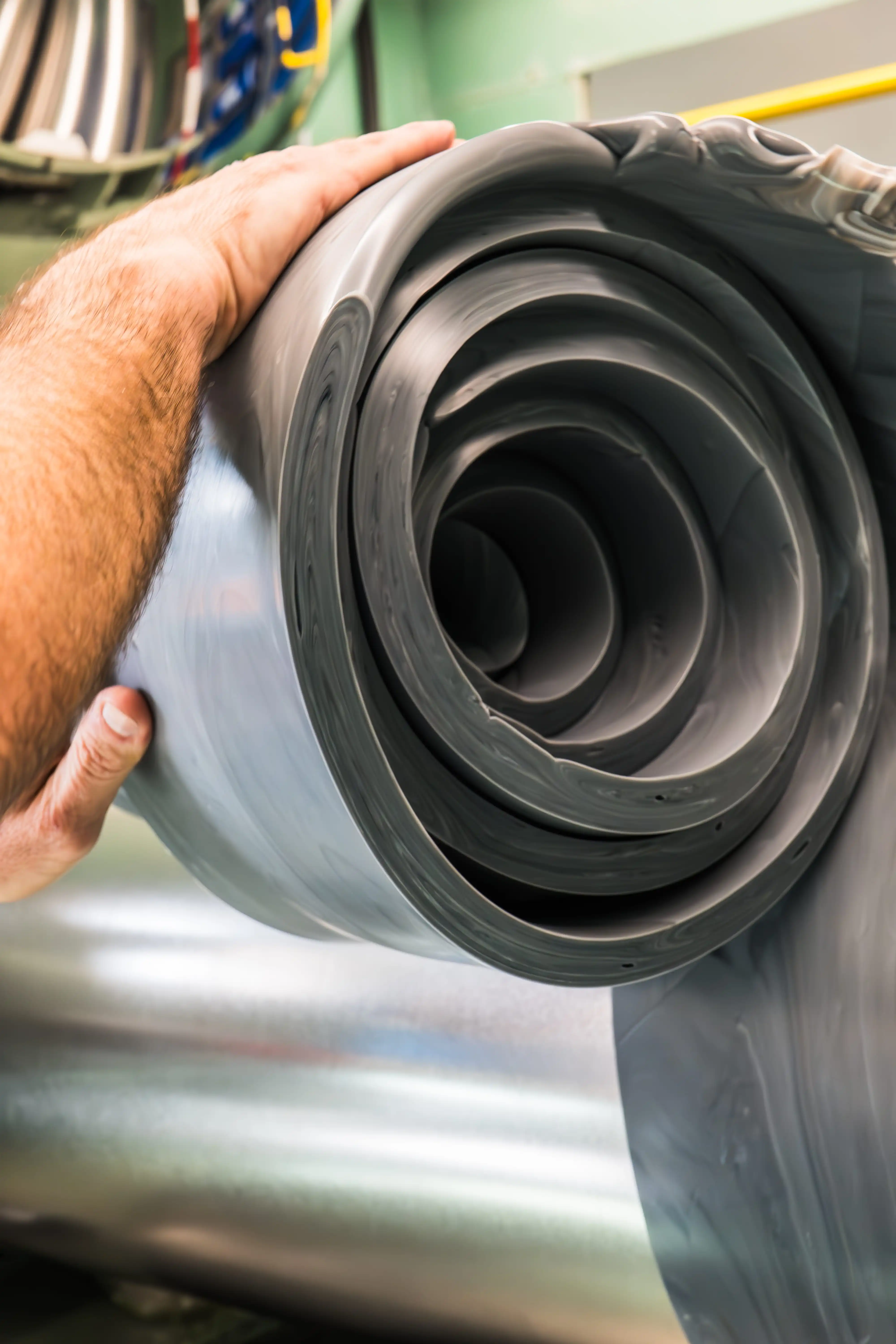
Thanks to its expertise in silicone processing, PROGRESS Silicones supports manufacturers in the design of parts adapted to railway constraints. The company masters various processes such as the extrusion of silicone profiles,e compression or injection molding (UNHCR), liquid silicone injection (LSR) and the manufacture of technical joints.
Located in Luberon, PROGRESS Silicones designs and manufactures several million parts each year for demanding sectors such as medical, Lagri-food, Thelighting or even the railway industry.
In these environments where the reliability of materials is essential, silicone remains a discreet but essential ally to guarantee the performance and durability of equipment.